June 30, 2026
This article delves into the evolving landscape of urgent care services, addressing common questions and shedding light on emerging trends. Urgent care services have quickly become a pivotal component of the healthcare system, offering accessible and immediate care for various conditions. As healthcare needs grow and diversify, the role of these facilities becomes increasingly crucial. Whether it's for minor injuries or common illnesses, understanding the function and benefits of urgent care centers is essential for both patients and healthcare providers.
Understand What Urgent Care Services Provide
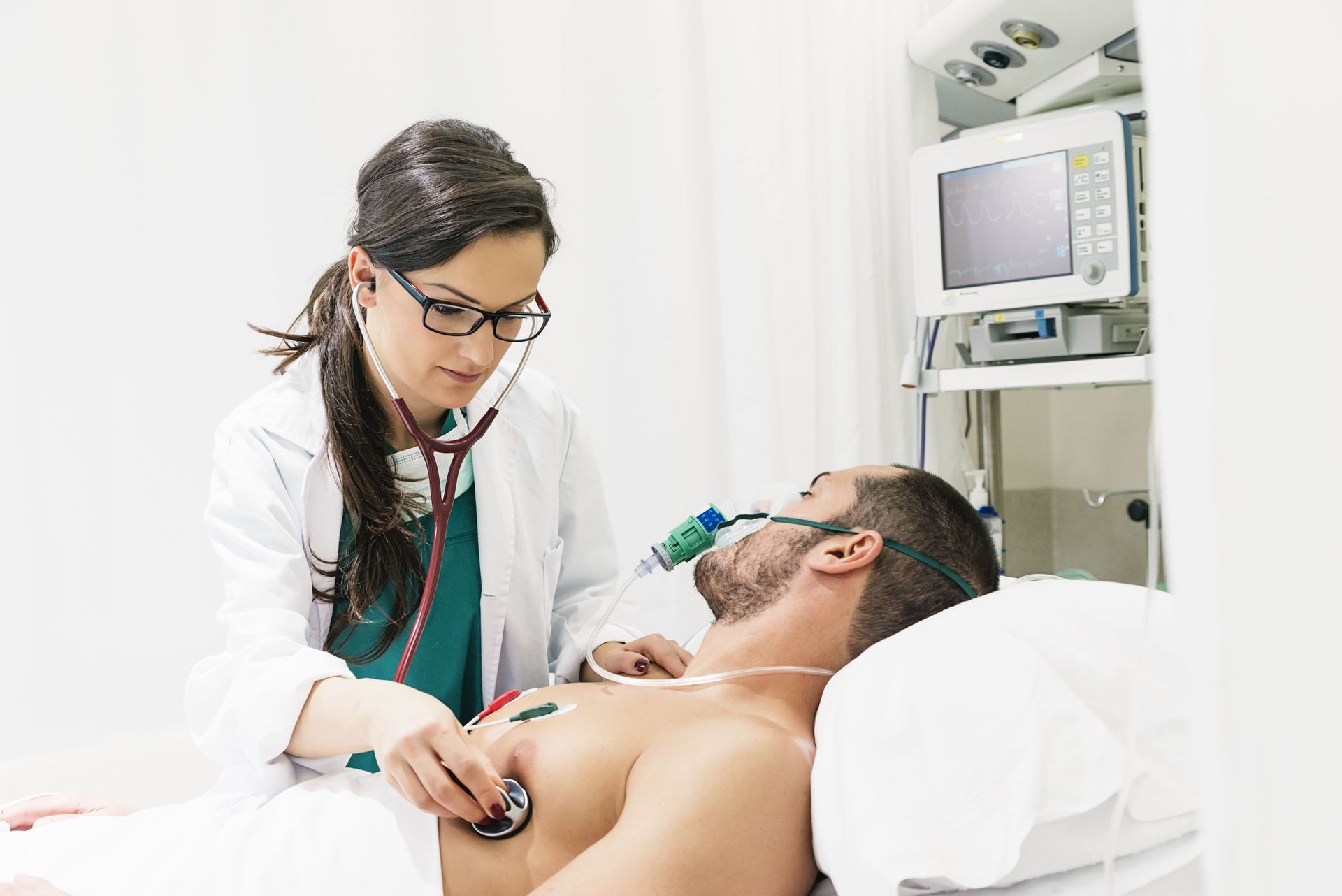
Urgent care services are medical facilities designed to provide immediate care for non-life-threatening conditions. They bridge the gap between emergency rooms and basic physician offices, offering care for acute conditions that require prompt attention. The scope of urgent care services includes treatment for ailments such as sprains, fractures, infections, and allergic reactions. By focusing on immediate care, these centers improve healthcare accessibility, reducing the strain on emergency rooms and allowing hospitals to prioritize critical cases.
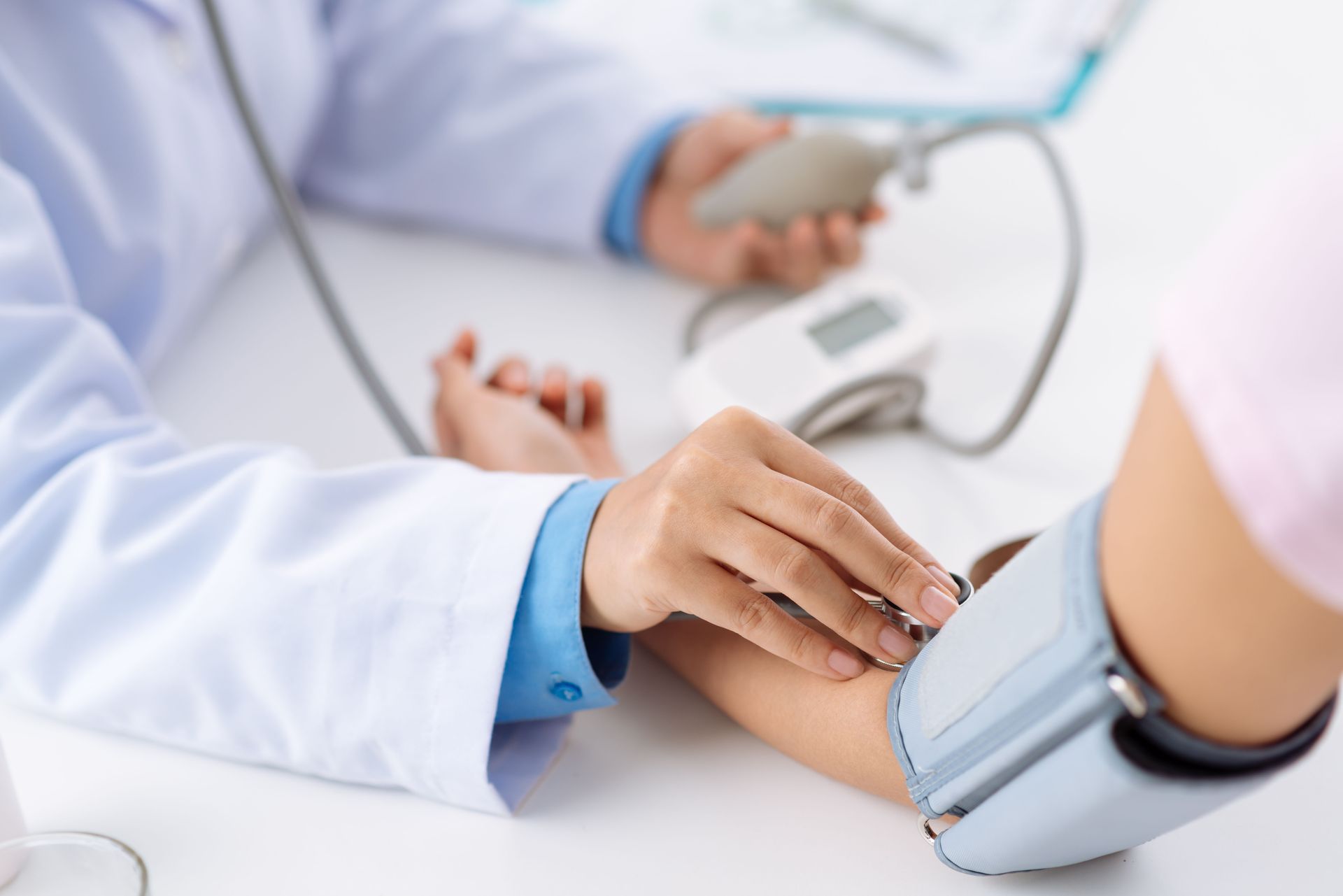
One key aspect of urgent care services is their ability to provide on-the-spot diagnostics. Facilities are typically equipped with basic laboratory testing and imaging equipment, such as X-rays. This allows for quicker diagnosis and treatment initiation, enhancing patient satisfaction and outcomes. Additionally, most centers offer extended hours compared to traditional clinics, allowing patients to seek care without the need for an appointment.
According to the Urgent Care Association, urgent care is especially popular among Gen Z, with approximately 56% visiting three or more times in the past year. This statistic highlights the growing reliance on urgent care services among younger populations seeking convenience and efficiency. Moreover, urgent care centers often provide preventive care services like vaccinations and physical exams, further broadening their scope. Their multifaceted approach plays a pivotal role in meeting the dynamic healthcare demands of modern society.
Differentiate Urgent Care From Emergency Care
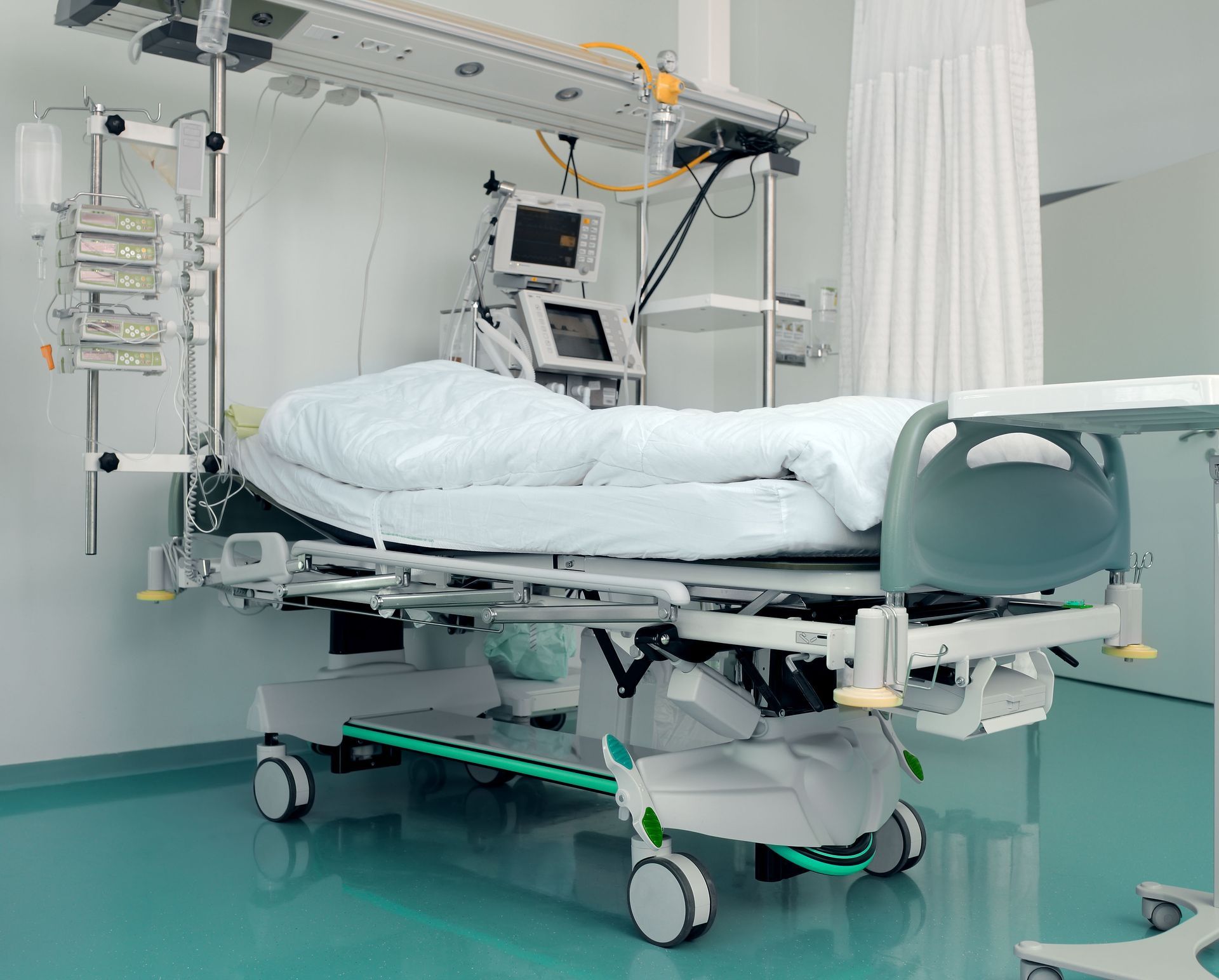
Urgent care services are often confused with emergency services, but serve different functions within healthcare. While emergency rooms are equipped to tackle severe and life-threatening conditions, urgent care centers address less critical yet pressing health concerns. This distinction is vital, as it helps streamline patient flow and prioritizes emergency resources for those in dire need. Understanding these differences ensures that patients seek the correct type of care, thereby optimizing healthcare delivery efficiencies.
In terms of operational differences, emergency rooms are typically part of hospitals, equipped with highly advanced tools and staffed with specialists to handle major medical crises. Urgent care centers, on the other hand, operate independently or as part of a healthcare network, focusing on immediate but non-emergency medical needs. The cost of services in urgent care is generally lower compared to emergency rooms, emphasizing their cost-effectiveness for patients. This cost efficiency is a significant aspect, as it aligns with healthcare affordability goals.
Furthermore, the wait times in urgent care centers can be substantially shorter than in emergency rooms. As these centers manage simpler cases, patients benefit from reduced time delays, increased satisfaction, and convenience. This is especially appealing to Generation Z, who often prioritize efficiency and swift service. By distinguishing their services from emergency departments, urgent care centers offer a vital alternative, enhancing overall healthcare quality and accessibility.
Recognize the Conditions Treated at Urgent Care Centers
Urgent care services specialize in treating acute, non-life-threatening conditions that require timely attention. Commonly treated issues include minor injuries like sprains, cuts, and scrapes, as well as illnesses such as colds, flu, and ear infections. Stations are often equipped with the necessary medical equipment to handle these scenarios efficiently, offering immediate relief. This capability to swiftly address common healthcare problems makes urgent care a preferred choice for many, providing a practical alternative to hospital visits.
Moreover, urgent care centers are equipped to handle a variety of infections, including respiratory and urinary tract infections. Certain centers also possess the ability to manage some dermatological conditions, allergies, and gastrointestinal issues. The breadth of services offered allows them to cater to a wide demographic with diverse medical needs. This comprehensive approach is particularly beneficial in underserved areas where access to traditional healthcare may be limited.
In alignment with their prompt focus, these centers often provide vaccinations and preventive services, such as physical examinations required for schools and sports. Offering these services enhances public health by encouraging timely interventions and promoting wellness. The popularity of urgent care services among younger demographics, including students and young adults, can be attributed to this convenience. By effectively handling these diverse medical needs, urgent care reinforces its vital presence in the community.
Explore the Accessibility of Urgent Care Services
The strategic locations of urgent care centers are designed to maximize accessibility and convenience for patients. Situated within neighborhoods and retail areas, these centers are easily reachable by the community. This geographical advantage sparks the increasing trend of urgent care usage, particularly among those who value proximity and ease of access. Patients benefit from reduced travel time and hassle, which significantly impacts their overall healthcare experience.
To address growing demands, many urgent care facilities have extended hours during evenings and weekends, accommodating various patient schedules. With over 9,000 centers operating across the United States, the accessibility of urgent care services continues to expand. Advanced appointment systems, including online check-in, further streamline the process, allowing patients to efficiently manage their time. This accessibility increases patient engagement and encourages the use of healthcare services, fostering a healthier population.
The physical accessibility of urgent care facilities can be particularly beneficial in urban settings, where traffic congestion can delay travel to distant hospitals. Additionally, these centers often align with public transportation networks, making them accessible to individuals without personal vehicles. By enhancing accessibility through strategic location and operational adjustments, urgent care centers continue to play an expanding role in healthcare delivery.
Examine the Role of Urgent Care in Modern Healthcare
Urgent care services occupy a unique and evolving role within the broader healthcare system. They serve as an intermediary between primary care physicians and hospital emergency rooms, bridging gaps in immediate healthcare needs. By focusing on prompt care provision, they alleviate pressure on overburdened emergency departments, allowing them to focus resources on critical care. This optimizes the healthcare system's efficacy, enhancing patient care and operational efficiencies.
The importance of urgent care centers is further accentuated by their contribution to reducing healthcare costs. By diverting non-emergency conditions away from hospital settings, they help mitigate the expensive treatment often encountered in emergency rooms. This cost-saving potential extends to both healthcare providers and patients, promoting an economical approach to care. Consequently, urgent care strengthens the financial and operational sustainability of healthcare systems.
Moreover, urgent care centers embody a proactive healthcare approach, emphasizing convenience and timely medical intervention. As they provide treatments, diagnostics, and preventive services, they foster a more engaged patient base, integrating them deeper into the healthcare system. This model is particularly resonant with younger generations, who demand flexibility and immediacy in healthcare services, thus confirming the growing influence of urgent care in shaping modern medical landscapes.
With the insights provided throughout this article, readers gain a comprehensive understanding of the current trends shaping urgent care services, highlighting their growing role in the modern healthcare system. The seamless integration of urgent care within the healthcare infrastructure illustrates its significance in enhancing patient care, accessibility, and efficient resource allocation. As the demand for immediate, convenient healthcare increases, urgent care services will continue to adapt and thrive. Their contribution to a balanced, responsive health ecosystem underscores the need for ongoing support and recognition of their vital function. Reach out to Kunia Urgent Care to learn more about our services today.