October 5, 2026
The rise of urgent care services plays a pivotal role in modern medicine, addressing complex demands of community health. These centers fill the gap between routine doctor visits and hospital emergency departments, ensuring individuals have access to prompt attention without overwhelming resources. With primary care providers booked in advance, these facilities offer an immediate alternative for non-life-threatening ailments. These hubs provide necessary intervention for sudden illnesses or injuries while contributing to improved public health outcomes. By enhancing general access and alleviating the burden on traditional infrastructures, clinics serve as a critical bridge. Communities benefit from a reliable place to seek treatment for unexpected health concerns, fostering a sustainable approach to medical care delivery.
Bridging Medical Gaps
These facilities serve as an essential intermediary in the healthcare ecosystem. They offer immediate medical attention for conditions that cannot wait for primary care appointments but are not severe enough for a trip to the emergency room. Patients dealing with minor fractures, sprains, or sudden fevers can access fast, effective treatment. This ensures they receive necessary intervention without unnecessary delays. By fulfilling this vital role, clinics cater to pressing yet non-critical health issues. This function helps streamline patient distribution across the health network, improving overall operational flow.
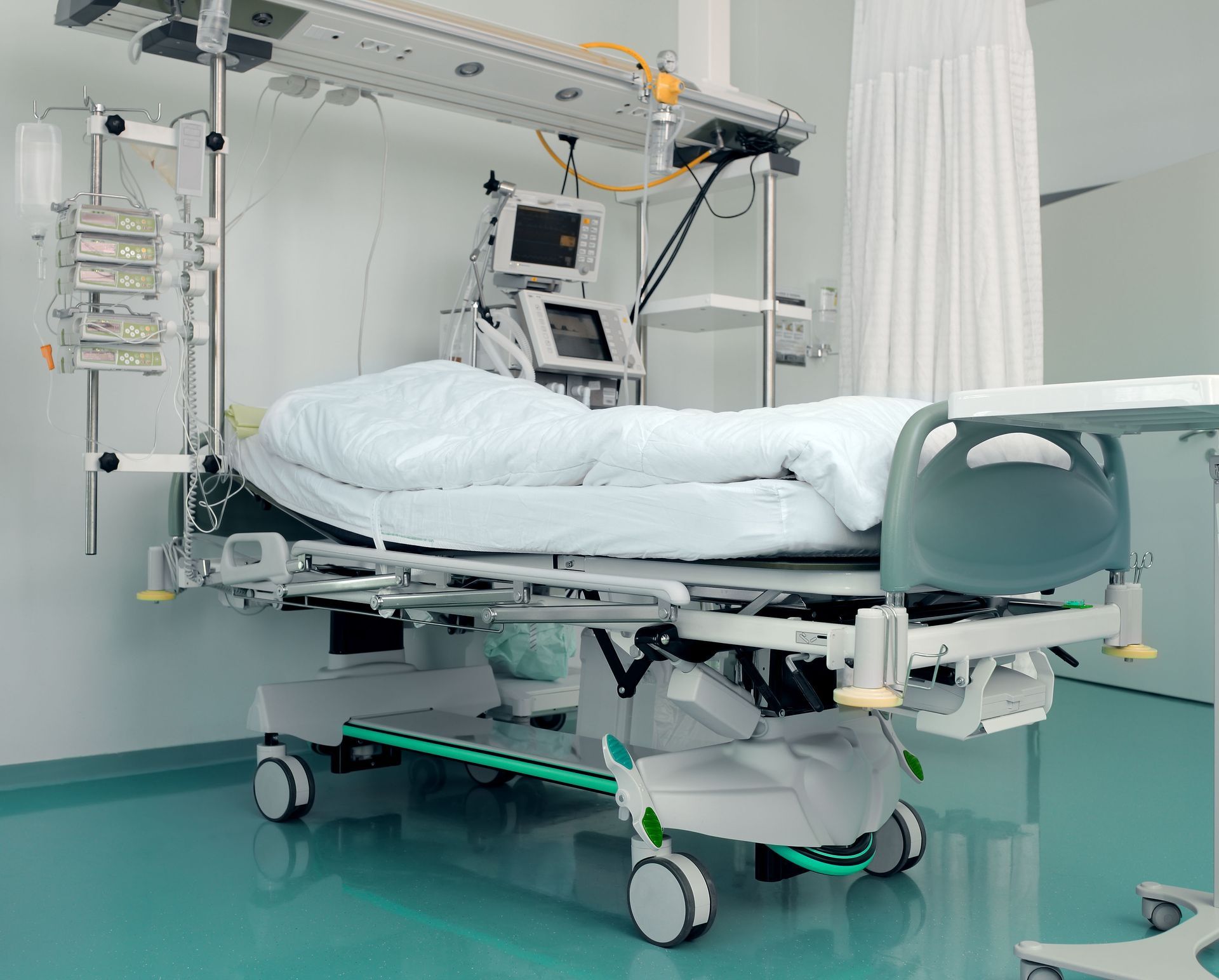
The availability of urgent care services relieves immense pressure on hospital emergency departments, allowing them to focus on life-threatening situations. Redirecting non-critical patients helps hospitals better utilize their resources for individuals in dire need. This redistribution enhances the quality of attention for severe cases while shortening waiting periods across all medical facilities. Reducing congestion in emergency rooms means medical staff can devote necessary time to complex emergencies. By taking on the treatment of minor injuries and acute illnesses, these centers optimize regional healthcare systems and ensure effective patient management.
Providing Preventative Care
Medical centers extend beyond immediate treatment by incorporating routine screenings, thereby enhancing holistic community health. Patients can receive occupational health checks, school physicals, and sports physicals, which traditionally require booking separate appointments weeks in advance. This consolidation makes it easier for families to manage their physical well-being. By offering these options, clinics reduce the need for acute interventions down the road. They address potential health concerns before issues escalate into serious problems. This proactive approach contributes to a healthier neighborhood by emphasizing long-term wellness alongside immediate ailment resolution.
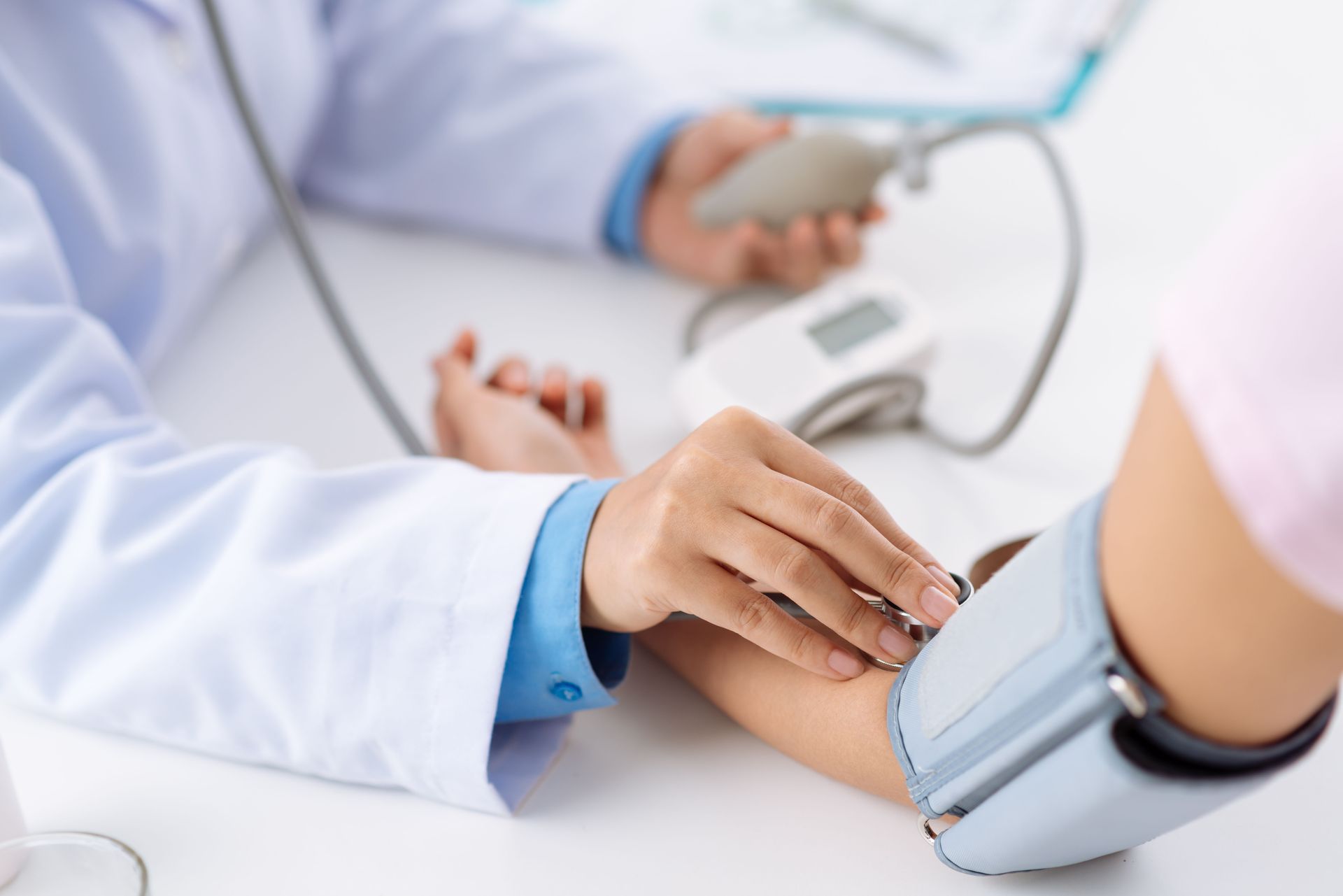
Administering immunizations is another critical role these centers play in supporting public health. They facilitate wider vaccination coverage due to their flexible hours and accessible locations. Convenient access to seasonal vaccines is essential for maintaining community health and preventing outbreaks of contagious illnesses. Providing vaccinations alongside other medical procedures contributes to comprehensive health strategies that safeguard vulnerable populations. Routine wellness checks offered by urgent care services are crucial for the early identification of potential health issues. Making these procedures readily available encourages proactive management and reduces the likelihood of future emergencies.
Addressing Community Needs
These healthcare destinations provide specialized attention tailored to the varying needs of local populations. They cater to families, the elderly, and individuals with demanding schedules by maintaining extended operating hours. By streamlining processes, facilities help ensure all populations receive the necessary care they require. Demographic usage can vary, highlighting different patterns of access among groups. According to the Centers for Disease Control and Prevention, 34.8% of non-Hispanic white adult females visited a center at least once, showing a higher tendency to utilize these clinics compared to non-Hispanic Asian adult females, who reported a rate of 22.6%.
Delivering culturally competent care is essential for clinics operating within diverse neighborhoods. Tailoring interactions to cultural contexts improves communication between staff and patients. Facilities employ multilingual staff to help break down language barriers, which is crucial for explaining diagnoses and ensuring patients understand treatment plans. Providing culturally sensitive support ensures equitable access and improved outcomes for everyone. This focus on clear communication positively influences patient relationships, which is vital for effective medical delivery within multicultural communities. This adaptability demonstrates an integral community presence that responds directly to demographic needs.
Supporting Economic Growth
These centers provide significant socioeconomic benefits by generating employment opportunities for medical professionals and administrative staff. The establishment of new facilities boosts local economies by creating jobs that range from board-certified physicians to advanced nurse practitioners and receptionists. As these clinics expand, increased employment contributes to economic stability and growth in surrounding regions. Facilities engage in community partnerships, supporting local health initiatives and educational campaigns. Through these contributions, clinics play a critical role in both regional development and the enhancement of public health infrastructures.
Beyond job creation, urgent care services facilitate effective resource allocation within the broader healthcare system. By reducing the volume of patients in hospital emergency departments, these centers allow communities to optimize operational resources. This redistribution improves the delivery of care by ensuring critical hospital funds remain available for true emergencies. The emphasis on resource optimization highlights the strategic importance of these clinics in achieving sustainability in healthcare provision. While centers face logistical challenges, they remain integral to regional infrastructure by providing essential jobs and stimulating economic growth.
Improving Patient Experiences
The emphasis on patient satisfaction is a cornerstone of modern clinic delivery, often surpassing traditional expectations. Facilities prioritize individualized needs, offering tailored interactions that encourage active participation in health management. This patient-centric approach ensures personal attention, fostering strong provider relationships and repeat visits. By providing compassionate and efficient treatment, clinics enhance overall satisfaction and promote positive health outcomes. The model exemplifies a shift toward responsive, patient-focused healthcare delivery. This dedication to individualized care is integral to modern medical practice and helps people feel comfortable during stressful health events.
Efforts to reduce wait times and improve operational flow are pivotal in increasing patient satisfaction. By implementing streamlined check-in procedures, centers minimize delays so individuals receive prompt attention. This efficiency is achieved through optimized staffing and effective triage protocols. Consequently, patients experience reduced anxiety related to long waiting periods, promoting a positive medical interaction. The focus on delivering rapid, efficient care underpins the appeal of urgent care services. Drawing individuals who seek reliable medical attention, this approach ensures that people spend less time in a waiting room and more time recovering.
Expanding Healthcare Access
Expansion initiatives are continuously underway to increase the availability of clinics in expanding neighborhoods. By establishing new facilities, providers aim to fill gaps in regional medical access. These efforts are complemented by programs targeting specific community health needs, ensuring comprehensive coverage. Drawing urgent care services closer to those who benefit most highlights a commitment to accessible medicine. Strategic expansion ensures communities receive the personalized, timely care they need without traveling long distances. Facilities adapt to growing demands by offering a wider array of treatments under one roof, solidifying their healthcare role.
Policy changes and an evolving regulatory environment play a substantial role in defining the future of these clinics. Adjustments in healthcare regulations and quality standards directly impact how centers operate day to day. Providers stay apprised of regulatory shifts to ensure compliance while advocating for policy adaptations that enhance service delivery. The dynamic landscape necessitates operational agility, spurring facility improvements that remain aligned with patient protection. By navigating these intricacies, urgent care services continue to thrive. Building robust health systems is integral to sustaining community wellness, with these clinics playing an indispensable role.
The continued growth of urgent care services underscores their immense value in promoting community well-being. By bridging the divide between primary care and emergency rooms, these centers provide prompt, high-quality medical attention for non-life-threatening ailments. They improve patient outcomes through accessible preventative care, efficient treatments, and strong provider relationships. As the medical landscape evolves, these clinics will remain essential in adapting to demographic needs and ensuring equitable access to treatment. Their presence alleviates strain on broader medical systems while delivering compassionate, individualized attention. Reach out and visit us at Kunia Urgent Care for the rapid relief you deserve.