May 5, 2026
The modern medical landscape is undergoing a massive transformation as patients seek faster and more efficient ways to manage their health. For decades, the primary options for medical attention were limited to scheduling an appointment weeks in advance with a primary care physician or facing the daunting wait times of a hospital emergency department.
However, the rise of the urgent care model has introduced a vital third pillar that is effectively bridging the gap between routine checkups and emergency intervention. By providing immediate access to professional medical services without the need for an appointment, these facilities aren't just a convenience for the community but a fundamental necessity for the stability of the entire national healthcare infrastructure. This evolution reflects a shift toward patient-centered care that prioritizes both clinical outcomes and the busy realities of daily life.
Reducing the Burden on Emergency Rooms
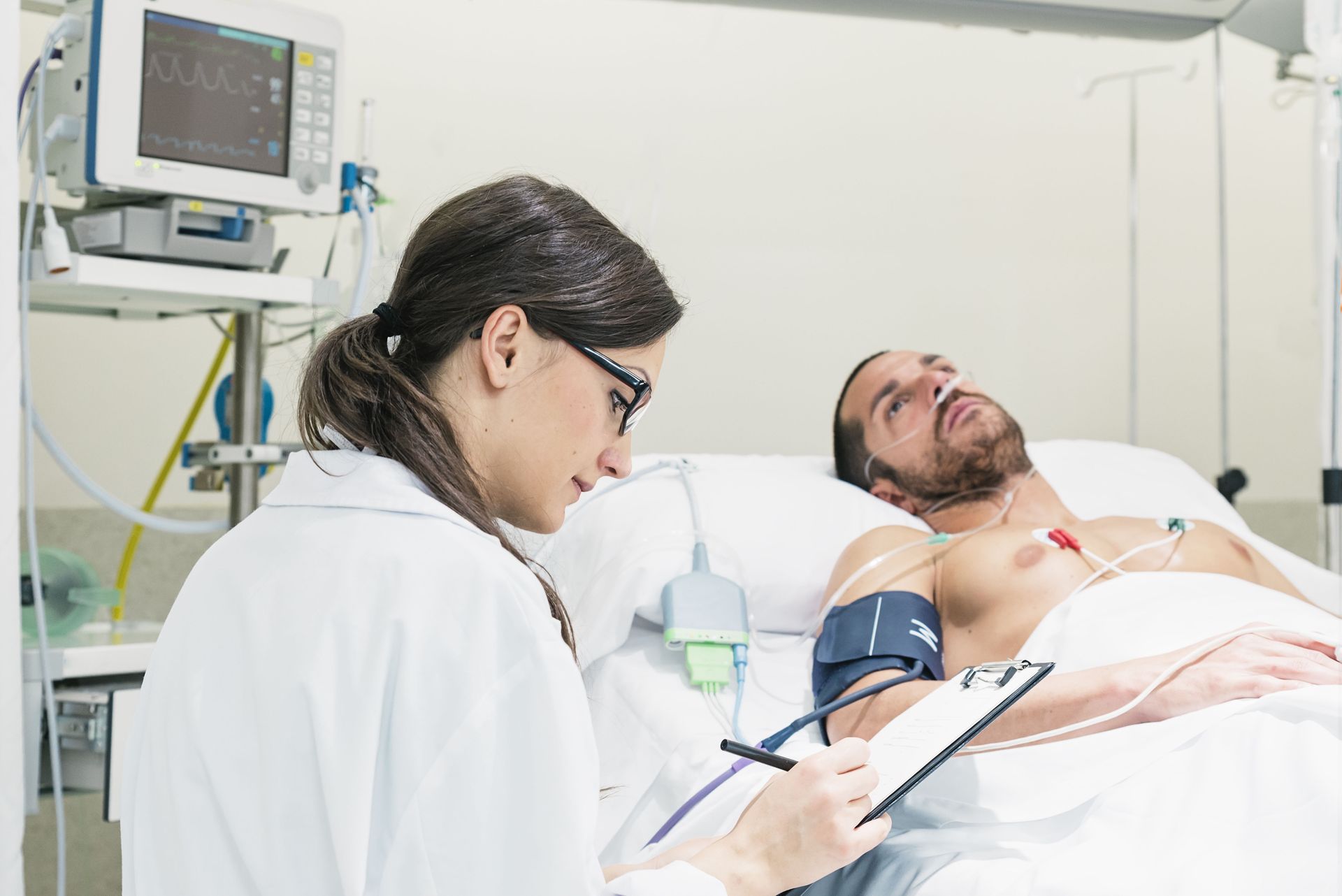
One of the most significant ways these facilities stabilize the system is by redirecting non-emergent cases away from overcrowded hospital settings. Emergency rooms are designed to handle life-threatening traumas and critical conditions, yet they're frequently bogged down by patients seeking help for minor fractures, seasonal illnesses, or simple infections. When a patient chooses an urgent care center for a non-life-threatening issue, they're directly contributing to shorter wait times for those in genuine critical need.
This redirection ensures that hospital staff can focus their specialized resources on high-acuity cases, which ultimately improves patient outcomes across the board and prevents the systemic burnout often seen in large-scale trauma centers. By functioning as a triage layer for the broader medical community, these centers keep the gears of the hospital system turning more smoothly.
Increasing Access to Immediate Diagnostic Care
Timely diagnosis is the cornerstone of effective medicine, and the ability to access laboratory services quickly is a major advantage of the urgent care model. Many patients find themselves in a difficult position when they fall ill over the weekend or after standard business hours, often letting symptoms worsen because they believe no help is available. By offering extended hours and on-site diagnostic tools like X-rays and blood work, these centers ensure that a diagnosis is made during the early stages of an ailment.
This immediacy prevents minor issues from escalating into major health crises that would require more intensive and expensive medical interventions later on. Furthermore, having these diagnostic capabilities in a single location reduces the stress on patients who would otherwise have to travel to multiple facilities just to find out why they're feeling unwell.
Improving the Quality of Community Health
The presence of a local urgent care facility acts as a safety net for the neighborhood, providing a reliable resource for families who need professional medical attention on short notice. Whether it's a child with a sudden fever or an adult with a painful sports injury, having a reliable place to turn ensures that health concerns are addressed with the appropriate level of expertise.
These centers employ board-certified professionals who are skilled in treating a wide array of acute conditions, ensuring that "urgent" doesn't mean "rushed" or "substandard." By offering a high level of clinical excellence in a more personal and approachable setting, these facilities foster a healthier and more resilient local population. They bridge the gap for those who might otherwise skip care entirely due to the complexities of the traditional medical system.
Enhancing the Efficiency of Medical Costs
The financial impact of the urgent care movement can't be overstated, as it provides a significantly more cost-effective alternative to the emergency room. Hospital visits often come with high overhead costs and facility fees that can be a massive burden on both patients and insurance providers. By treating the same minor injuries and illnesses in a streamlined outpatient setting, the overall cost per encounter is dramatically reduced.
Annual patient visits to urgent care facilities have surpassed the 200 million mark, largely driven by the model's inherent efficiency, according to the Urgent Care Association. As more people utilize these centers, the collective savings contribute to a more sustainable economic model for the global healthcare market. This massive volume of patient care demonstrates that the public has embraced this model as a primary solution for their immediate medical needs.
Supporting the Continuity of Family Medicine
While they provide immediate relief, these centers also play a supportive role in the broader spectrum of long-term primary care. They don't replace the family doctor; instead, they act as an essential partner that handles the unexpected gaps in a patient's schedule. When a primary care office is fully booked, an urgent care clinic can provide the necessary treatment and then forward the relevant records to the patient's regular physician.
This collaborative approach ensures that the patient’s medical history remains comprehensive and that follow-up care is coordinated. It allows for a seamless transition of information that protects the patient's long-term health goals while solving their immediate medical needs. By acting as an extension of the primary care network, these facilities ensure that no patient falls through the cracks due to a scheduling conflict.
Maximizing the Availability of Specialized Treatment
Modern facilities have expanded their scope far beyond basic first aid, often offering specialized services that were once only available in large hospitals. From respiratory treatments and IV hydration to advanced wound care and splinting, the clinical versatility found in an urgent care environment is impressive. This variety allows patients to receive high-level intervention for specific issues without navigating the bureaucracy of a major medical campus.
It also means that specialized equipment is utilized more effectively across the community, ensuring that technology isn't sitting idle in a hospital basement while patients wait hours for a simple scan. This optimization of medical technology and expertise is a key driver in making the entire system more agile and responsive to the diverse needs of a modern, active population.
Strengthening the Resilience of Public Health
During times of widespread illness or seasonal surges, the ability of these centers to scale their services quickly is a literal lifesaver for the medical community. They serve as the first line of defense during flu seasons or other outbreaks, providing testing and treatment that prevents hospitals from becoming overwhelmed. This decentralized approach to public health means that a surge in one area doesn't necessarily lead to a total system failure.
By distributing the patient load across many smaller, efficient sites, the healthcare system maintains its integrity even under pressure. The staff at these centers are uniquely trained to handle high-volume workflows while maintaining a compassionate bedside manner, which is essential for managing the anxiety that often accompanies a sudden illness or a community-wide health concern.
As we look toward the future, it's clear that the integration of urgent care into the standard medical journey is a permanent and positive change. The flexibility, affordability, and clinical proficiency offered by these facilities have proven that the traditional healthcare model needed an upgrade to keep pace with modern life. By managing millions of patient visits with speed and accuracy, these centers have become the frontline of defense against medical system collapse.
They provide the agility needed to handle public health challenges while maintaining a focus on individual patient satisfaction. The result is a more balanced, accessible, and high-performing healthcare system that benefits every member of the community. If you're experiencing a non-life-threatening illness or injury and need professional care without the wait, visit Kunia Urgent Care today.